Engaging in Collaborative Learning
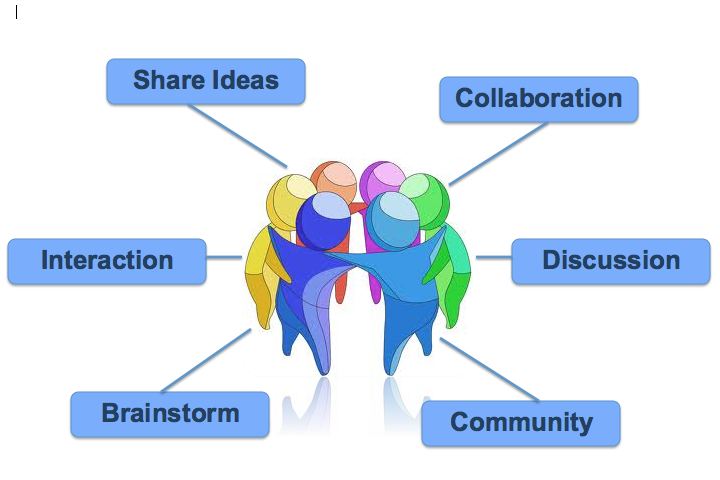
Active participation in collaborative learning on a data-driven HRM blog comprises offering ideas, providing comments, facilitating debates, and exchanging information among module participants.
- Active Participation and Contribution
The value of active participation as a blog participant cannot be overstated. Consistently releasing blog material that is both well-organized and instructional, with an emphasis on data-driven HR solutions, encourages reader conversation and involvement (Wang, 2022). Individuals make substantial contributions that enhance conversation and knowledge gain by disclosing their thoughts, experiences, and reflections. - Offering Constructive Feedback
The scope of active engagement goes beyond individual blog postings. Actively commenting and providing constructive criticism on the blogs of other module participants improves the educational experience (AIContentfy team, 2023). A culture of collaborative learning and critical thinking is developed among peers by recognizing the blogger's talents, offering illuminating questions, and providing other opinions. - Sharing Additional Insights
Contributing relevant academic articles, case studies, or research papers on data-driven human resource strategies will improve everyone's understanding. The availability of additional materials fosters an improved learning environment by allowing other students to investigate a variety of views and broaden their knowledge (Hetler, 2022). - Encouraging Discussions and Dialogues
Engaging in debate or contributing to dialogues in the blog's comment section about a variety of topics relevant to data-driven HR strategies enhances the development of critical thinking skills and enables the sharing of information. By posing intellectually stimulating questions and responding to concerns, one helps to create an interactive environment that encourages participants to engage in substantive discussions, challenge preconceived notions, and investigate alternative points of view. - Respectful and Supportive Interaction
In all conversations, it is critical to maintain a supportive and polite tone. Promoting an open communication environment, respecting opposing opinions, and creating an inclusive environment that values the contributions of all members all help to develop a positive learning environment. - Synthesizing Ideas and Building on Other's Contributions
To stimulate in-depth debates, it might be good to combine thoughts from several blog articles and comments. The learning experience for all participants is improved by creating connections between topics or ideas mentioned in various blogs and elaborating on the contributions of others via collaborative study (Ojala, 2005).
Participating in collaborative learning on the blog platform fosters a sense of community based on shared knowledge acquisition, in which members actively participate, acquire insights from one another, and collectively improve their understanding of data-driven HR initiatives. It promotes the sharing of information and the development of critical thinking skills among peers, thereby improving overall learning outcomes for all module participants.
very good reading and informative your article emphasizes the significance of strong Engaging in Collaborative Learning It promotes the sharing of information and the development of critical thinking skills among peers, thereby improving overall learning outcomes for all module participants. experience and utilizing technology process of creating an identifiable and unique employeer
ReplyDelete